
Vaidra
Free History audiobooks and courses in Indian languages
Vaidra has 7 courses in History, available in Kannada, Punjabi, Marathi, English, Tamil, Telugu, Hindi. Everything is free, with no ads.
Courses (7)
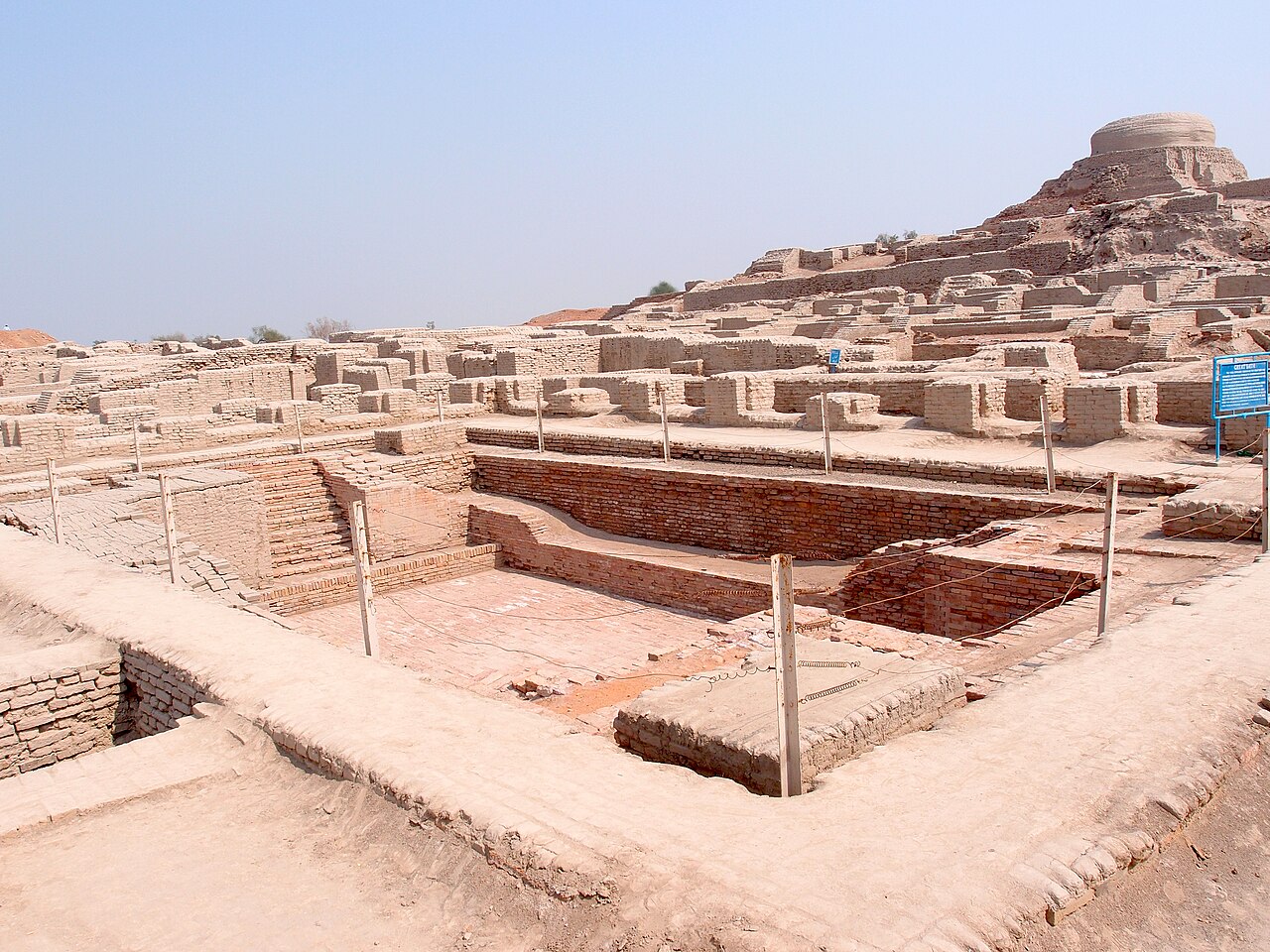
ಸಿಂಧೂ ನಾಗರಿಕತೆ: ಇತಿಹಾಸ ಮತ್ತು ವಿಕಾಸ / The Indus Valley Civilisation
ಸಿಂಧೂ ನಾಗರಿಕತೆಯು ದಕ್ಷಿಣ ಏಷ್ಯಾದ ಪ್ರಾಚೀನ ಕಂಚಿನ ಯುಗದ ನಾಗರಿಕತೆಯಾಗಿದ್ದು, ಹರಪ್ಪ ಮತ್ತು ಮೊಹೆಂಜೋದಾರೋ ನಗರಗಳಿಗೆ ಪ್ರಸಿದ್ಧವಾಗಿದೆ. ಈ ಕೋರ್ಸ್ನಲ್ಲಿ ಸಿಂಧೂ ನಾಗರಿಕತೆಯ ನಗರ ಯೋಜನೆ, ವ್ಯಾಪಾರ, ಕಲೆ ಮತ್ತು ನಾಗರಿಕತೆಯ ವಿಕಾಸದ ಕುರಿತು ವಿವರವಾದ ಮಾಹಿತಿಯನ್ನು ನೀಡಲಾಗಿದೆ.
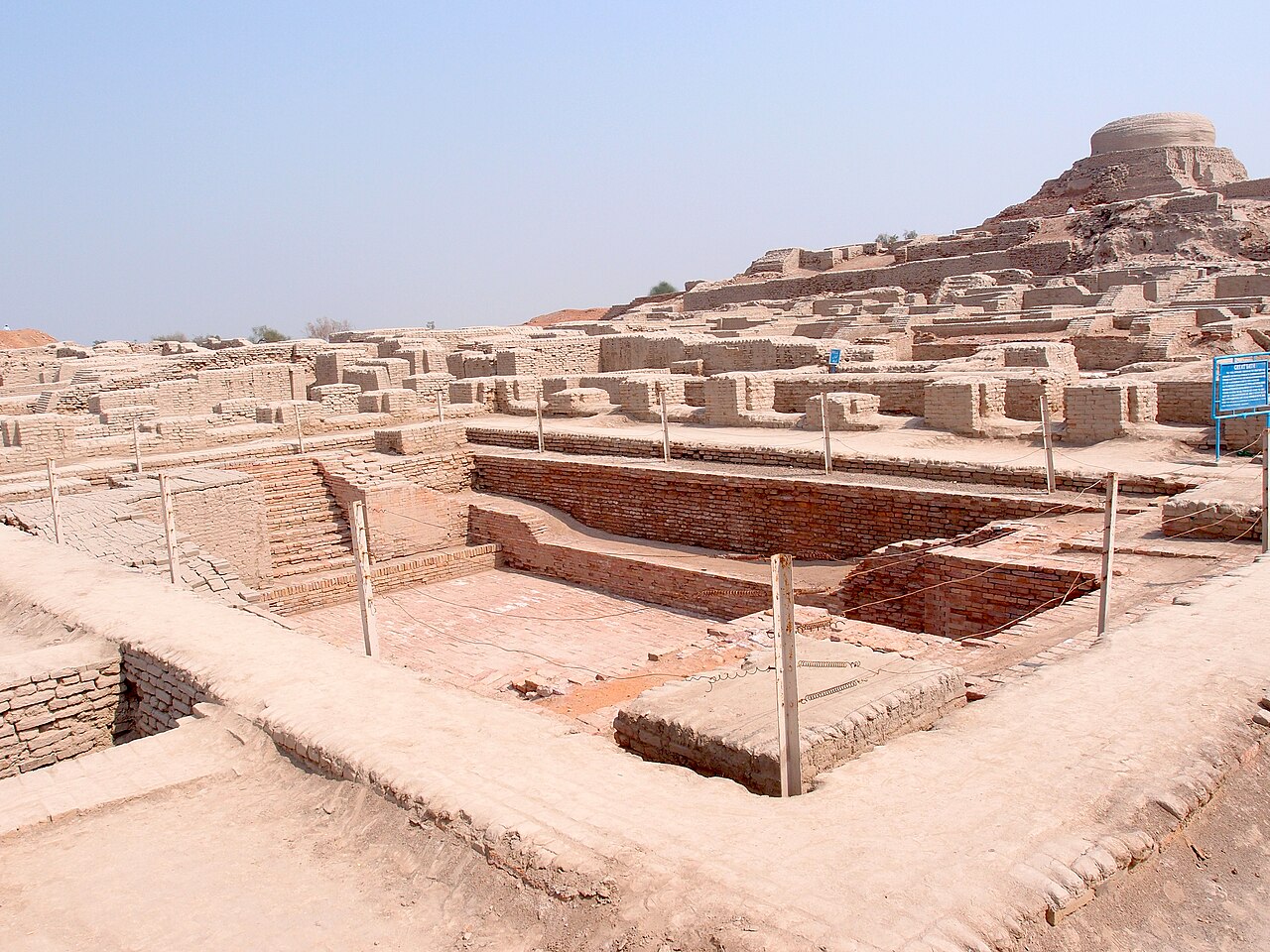
ਸਿੰਧੂ ਘਾਟੀ ਸਭਿਅਤਾ: ਇਤਿਹਾਸ ਅਤੇ ਵਿਕਾਸ / The Indus Valley Civilisation
ਸਿੰਧੂ ਘਾਟੀ ਸਭਿਅਤਾ ਦੱਖਣੀ ਏਸ਼ੀਆ ਦੀ ਇੱਕ ਪ੍ਰਾਚੀਨ ਕਾਂਸੀ ਯੁੱਗ ਦੀ ਨਗਰੀ ਸਭਿਅਤਾ ਸੀ, ਜੋ ਮੁੱਖ ਤੌਰ 'ਤੇ ਹੜੱਪਾ ਅਤੇ ਮੋਹਨਜੋਦੜੋ ਵਰਗੇ ਸ਼ਹਿਰਾਂ ਲਈ ਜਾਣੀ ਜਾਂਦੀ ਹੈ। ਇਸ ਕੋਰਸ ਵਿੱਚ ਸਿੰਧੂ ਸਭਿਅਤਾ ਦੀ ਸ਼ਹਿਰੀ ਯੋਜਨਾਬੰਦੀ, ਵਪਾਰ, ਕਲਾ ਅਤੇ ਇਸਦੇ ਇਤਿਹਾਸਕ ਵਿਕਾਸ ਬਾਰੇ ਵਿਸਥਾਰਪੂਰਵਕ ਜਾਣਕਾਰੀ ਦਿੱਤੀ ਗਈ ਹੈ।
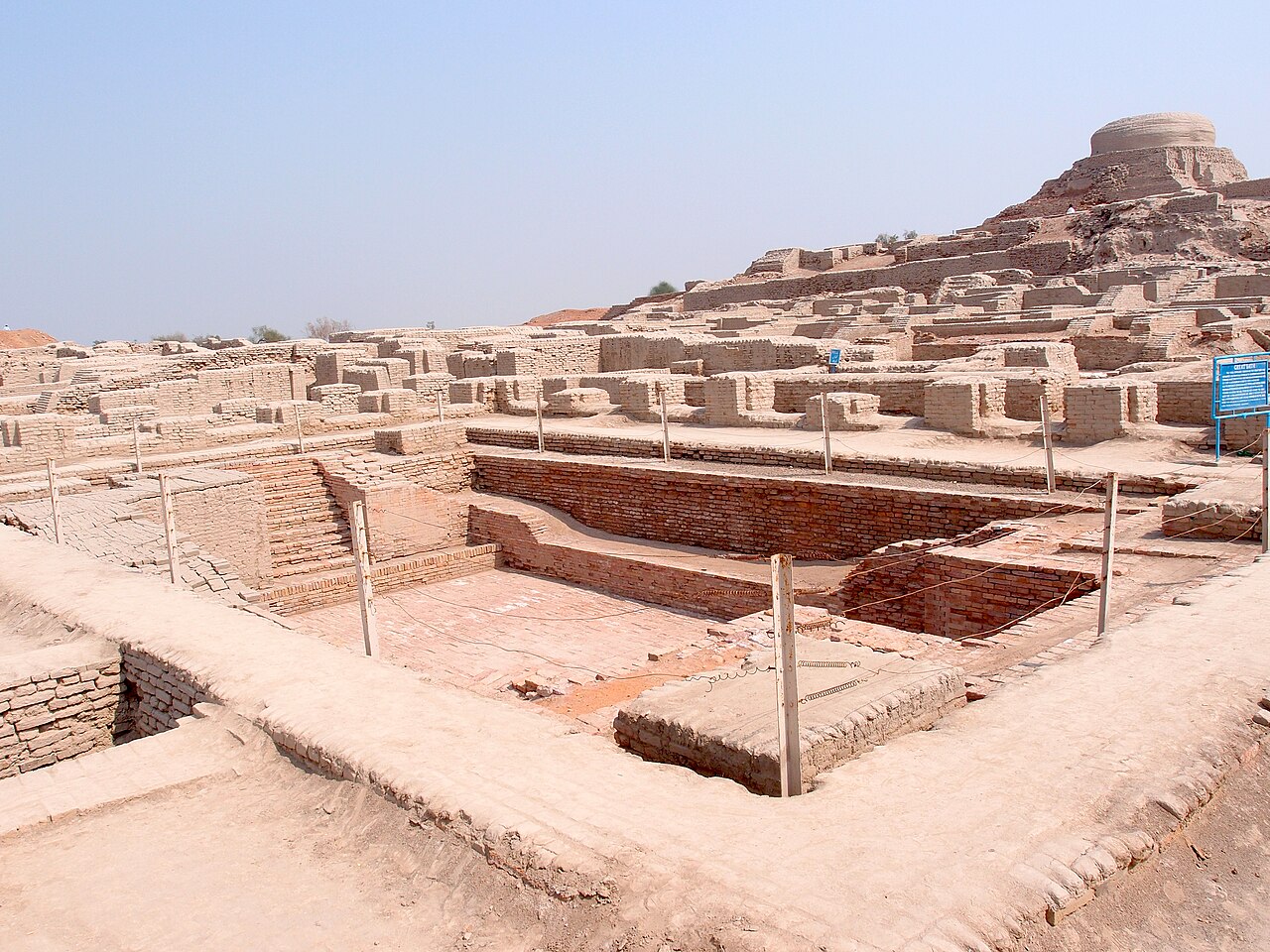
सिंधू संस्कृती: इतिहास आणि विकास / The Indus Valley Civilisation
सिंधू संस्कृती ही दक्षिण आशियातील एक प्राचीन कांस्ययुगीन नागरी संस्कृती होती, जी प्रामुख्याने हडप्पा आणि मोहनजोदडो सारख्या शहरांसाठी प्रसिद्ध आहे. या अभ्यासक्रमात सिंधू संस्कृतीचा भौगोलिक विस्तार, प्रगत नगररचना, व्यापार, कला आणि तिचा ऐतिहासिक विकास याविषयी सविस्तर माहिती दिली आहे.
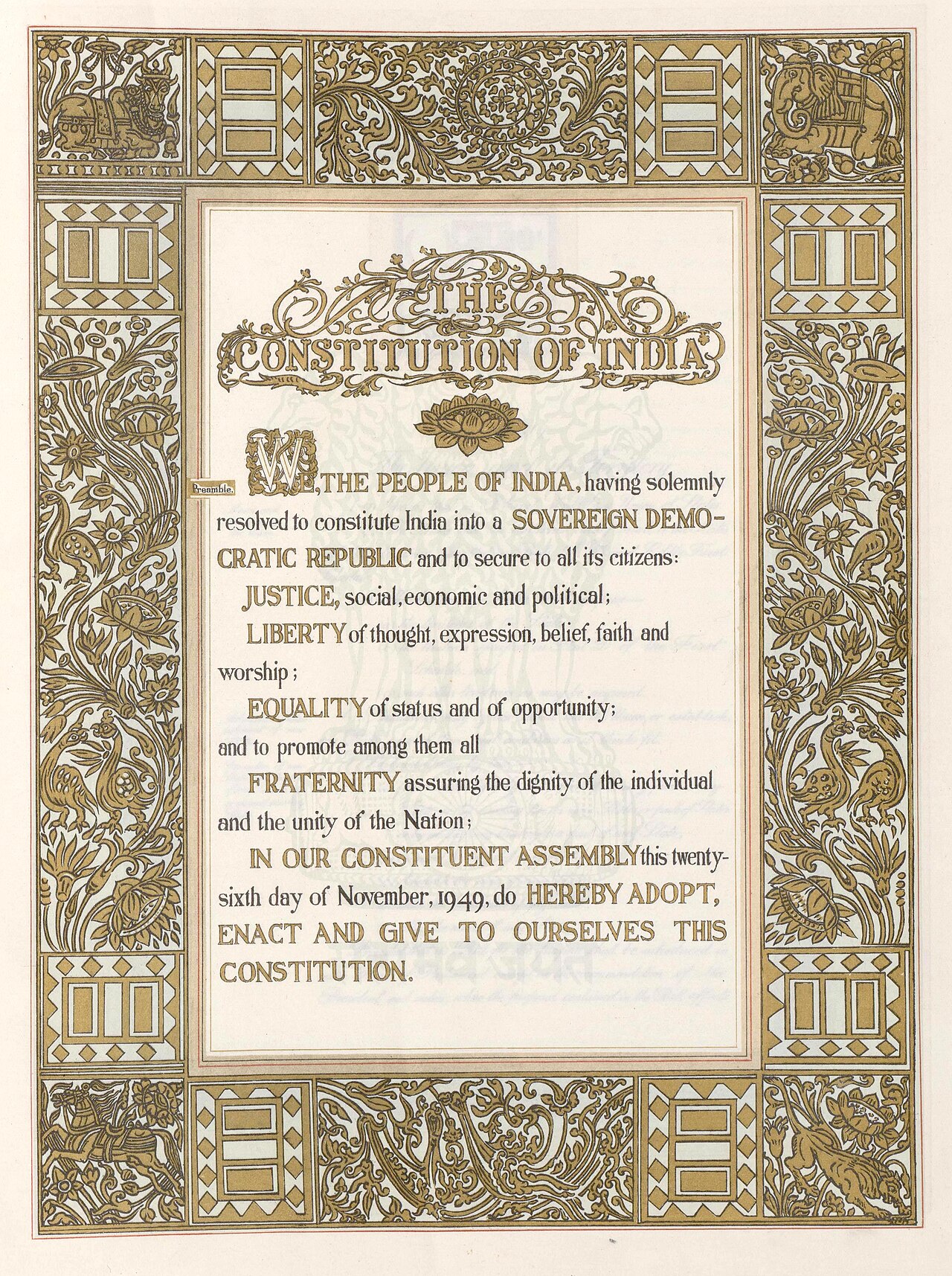
The Constitution of India
The Constitution of India is globally recognized as the longest written national constitution and serves as the country's supreme legal document. Formulated over nearly three years by a dedicated Constituent Assembly, it officially took effect on January 26, 1950.
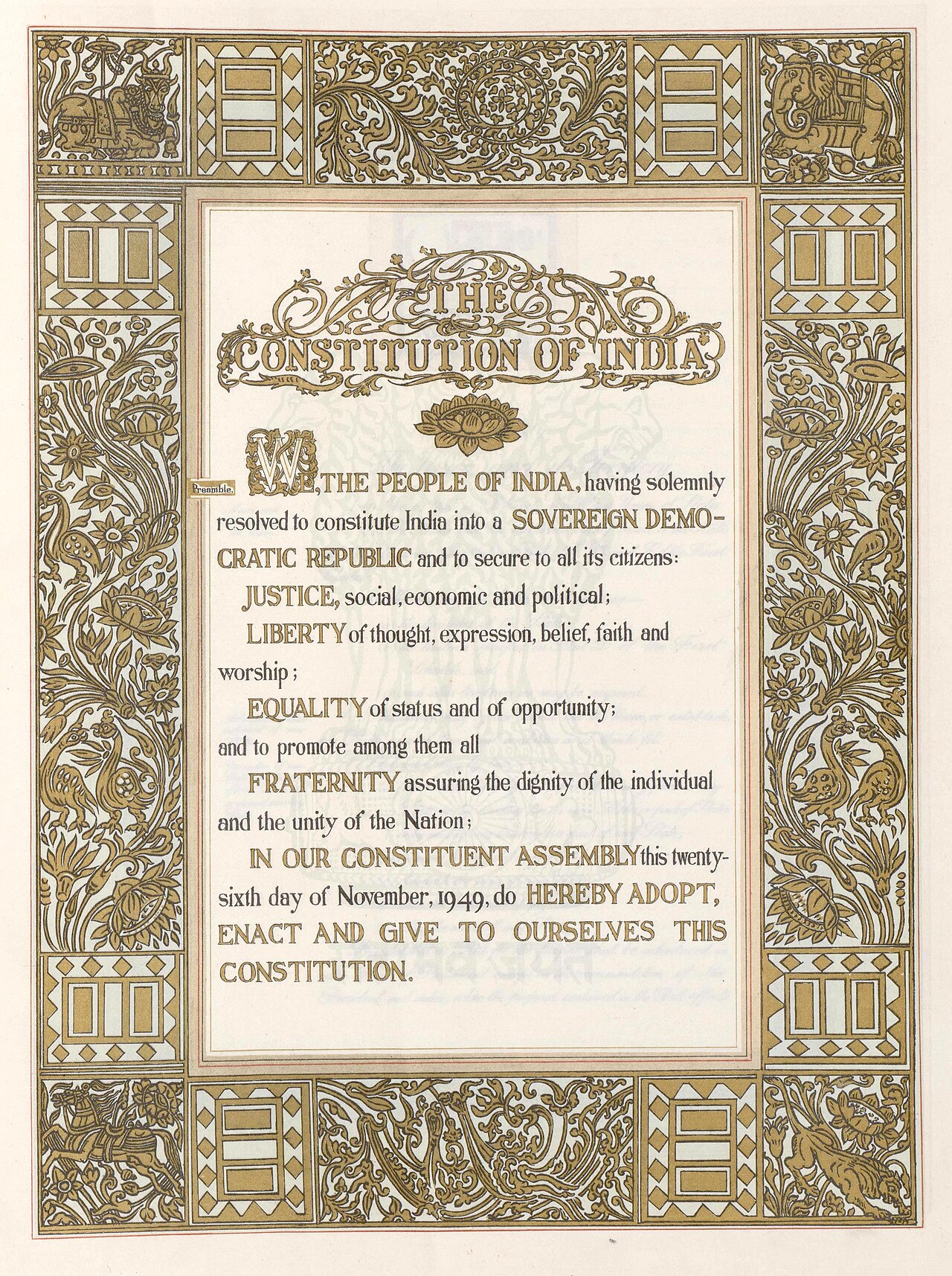
இந்திய அரசியலமைப்பு - ஒரு அறிமுகம் / The Constitution of India
இந்திய அரசியலமைப்பு நாட்டின் மிகவுயர்ந்த சட்ட ஆவணமாக விளங்குவதோடு, நாட்டின் ஜனநாயகக் கட்டமைப்பையும் நிறுவுகிறது. அரசியலமைப்பு நிர்ணய சபையால் உருவாக்கப்பட்டு ஜனவரி 26, 1950 அன்று நடைமுறைக்கு வந்த இந்த ஆவணம், குடிமக்களின் அடிப்படை உரிமைகளையும் கடமைகளையும் உறுதி செய்கிறது.
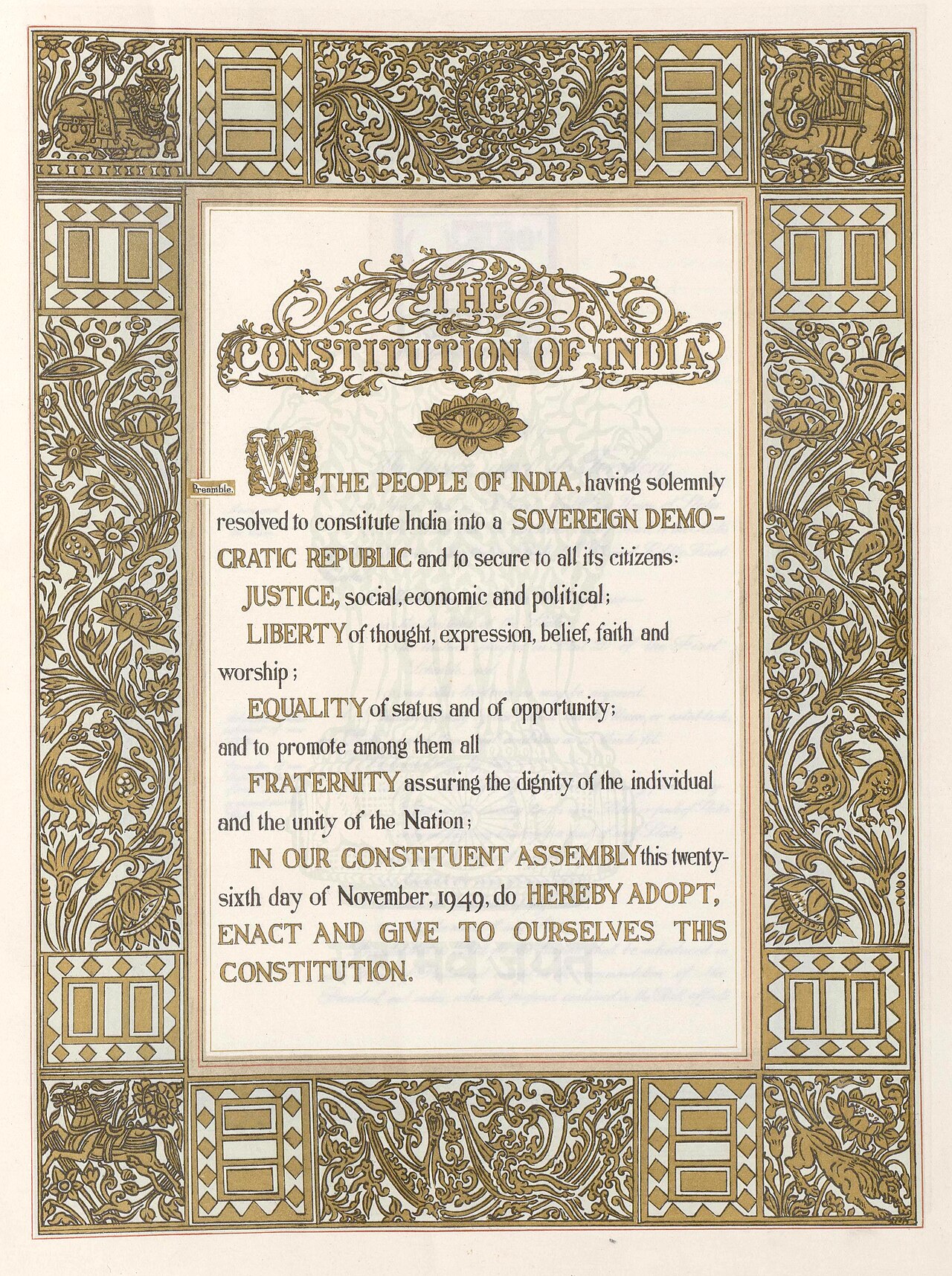
భారత రాజ్యాంగం - సమగ్ర పరిశీలన / The Constitution of India
భారత రాజ్యాంగం ప్రపంచంలోనే అత్యంత పొడవైన లిఖిత రాజ్యాంగం మరియు ఇది దేశపు అత్యున్నత శాసన గ్రంథంగా సేవలందిస్తోంది. రాజ్యాంగ పరిషత్ ద్వారా రూపొందించబడిన ఈ రాజ్యాంగం భారతదేశ ప్రజాస్వామ్య వ్యవస్థకు, పౌరుల ప్రాథమిక హక్కులకు బలమైన పునాదిని వేసింది.
वैश्विक टेपेस्ट्री / Global Tapestry
अध्याय 1 “द ग्लोबल टैपेस्ट्री” यह समझाता है कि 1200 से 1450 के बीच दुनिया भर के समाज कैसे संगठित थे और आपस में कैसे जुड़े हुए थे। इसमें पूर्वी एशिया, दक्षिण एशिया, मध्य पूर्व, अफ्रीका, यूरोप और अमेरिका जैसे क्षेत्रों के राजनीतिक तंत्र, सामाजिक वर्गों और धार्मिक विश्वासों पर ध्यान दिया गया है। चीन का सोंग राजवंश, इस्लामी ख़िलाफ़तें और यूरोप के सामंती राज्य जैसी शक्तिशाली व्यवस्थाओं ने शासन, क़ानून और सेनाओं के माध्यम से नियंत्रण बनाए रखा। समाजों में असमानता आम थी, जहाँ स्पष्ट वर्ग विभाजन और सीमित सामाजिक गतिशीलता थी, जबकि बौद्ध धर्म, इस्लाम, हिंदू धर्म और ईसाई धर्म ने संस्कृति और दैनिक जीवन को आकार दिया। कुल मिलाकर, यह अध्याय दिखाता है कि ये समाज अलग-अलग होते हुए भी आपस में जुड़े हुए थे, जिसने आगे के वैश्विक संपर्कों की नींव रखी। Chapter 1, “The Global Tapestry,” explains how societies from 1200 to 1450 were organized and connected across the world. It focuses on how different regions—such as East Asia, South Asia, the Middle East, Africa, Europe, and the Americas—developed political systems, social hierarchies, and belief systems. Powerful states like the Song Dynasty in China, Islamic caliphates, and feudal kingdoms in Europe used governments, laws, and armies to maintain control. Social structures were often unequal, with clear class divisions and limited mobility, while religions like Buddhism, Islam, Hinduism, and Christianity shaped culture and daily life. Overall, the chapter shows how these societies were both unique and interconnected, forming a foundation for later global interactions.