
Vaidra

Foundations of Personal Finance
Students will learn the foundations of how to track their income and expenses, build a simple budget using the 50-30-20 rule, save an emergency fund, use banking and digital payments safely, avoid high-interest debt traps, and take their first steps into investing. Clear and practical — by the end the student will have knowledge on how to take real control of their money.
Course Content
Personal Finance Basics: Master Your Money
More English courses
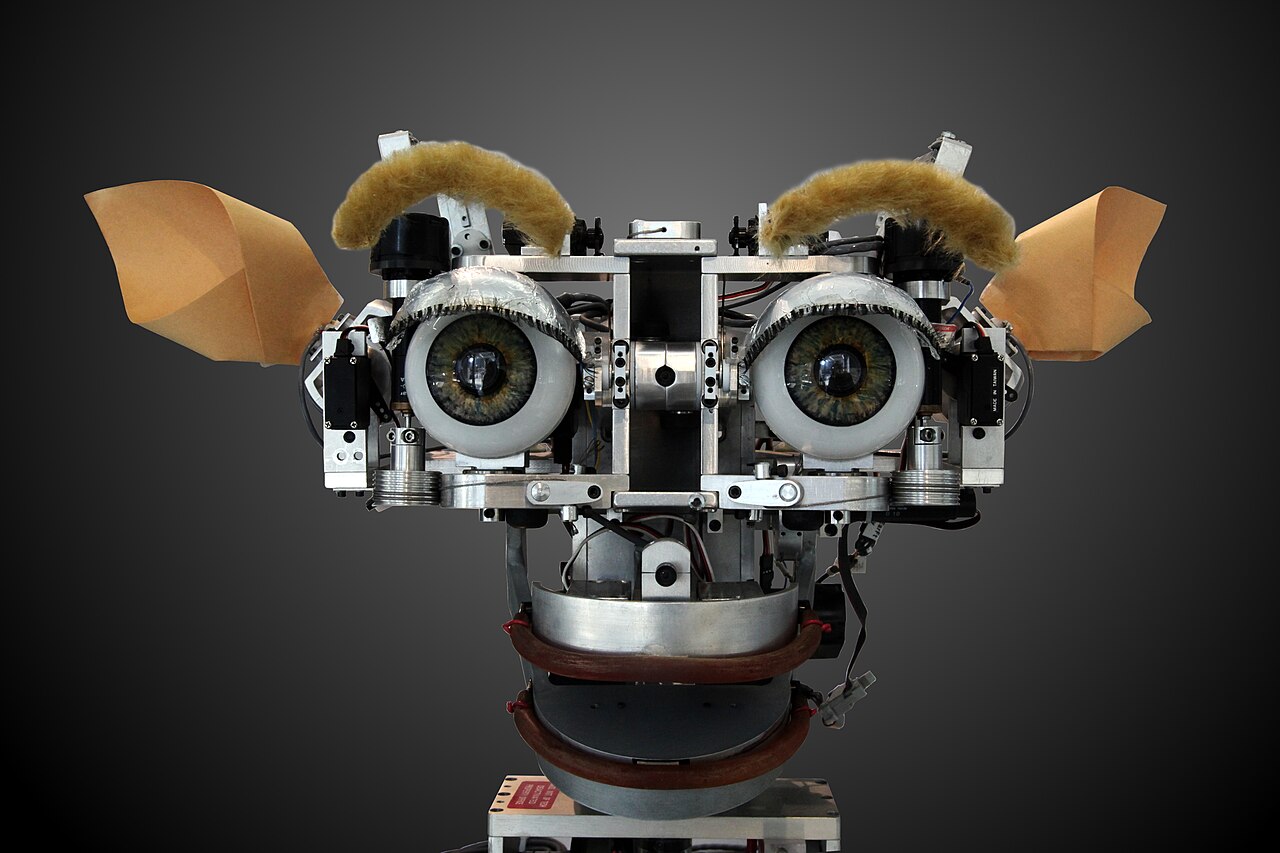
What Is Artificial Intelligence?
This course provides a foundational overview of artificial intelligence, covering its history since 1956, core goals like problem-solving, and primary techniques including formal logic and artificial neural networks. Students will also explore modern applications such as deep learning and generative transformers, alongside the ethical and societal discussions surrounding AI safety.
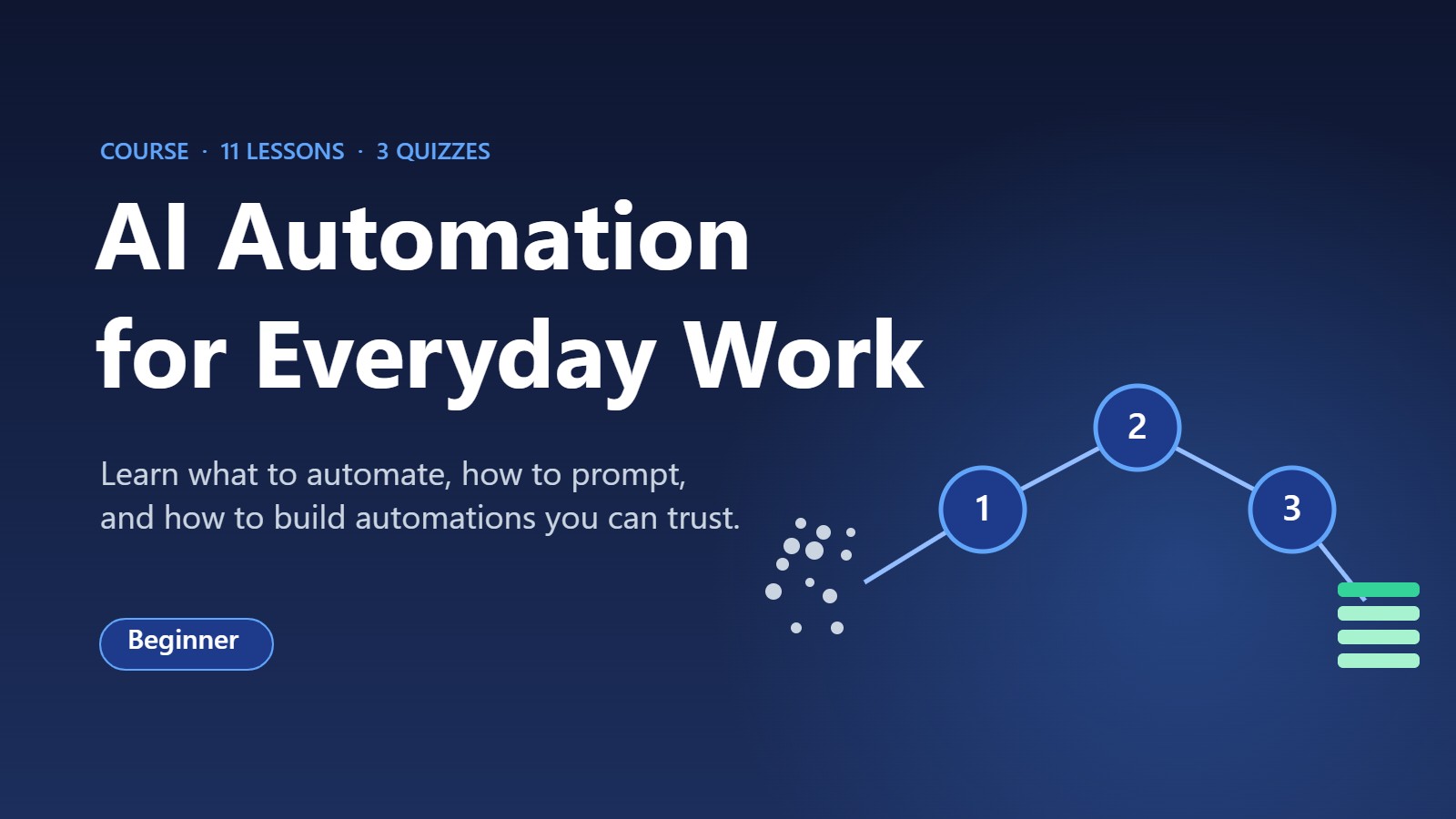
AI Automation for Everyday Work
Learn to hand the repetitive parts of your schoolwork and everyday tasks to AI, and keep the decisions for yourself. This beginner course explains what automation really means, how to tell repeated work from judgment work, and why language models changed what can be automated. You will learn to write prompts as clear instructions, give the model context and examples, and ask for output you can actually use. Then you will build real automations for flashcards, writing and summarizing, spreadsheets and data, and chain steps together into a workflow. Three quizzes check your understanding along the way. No coding needed.
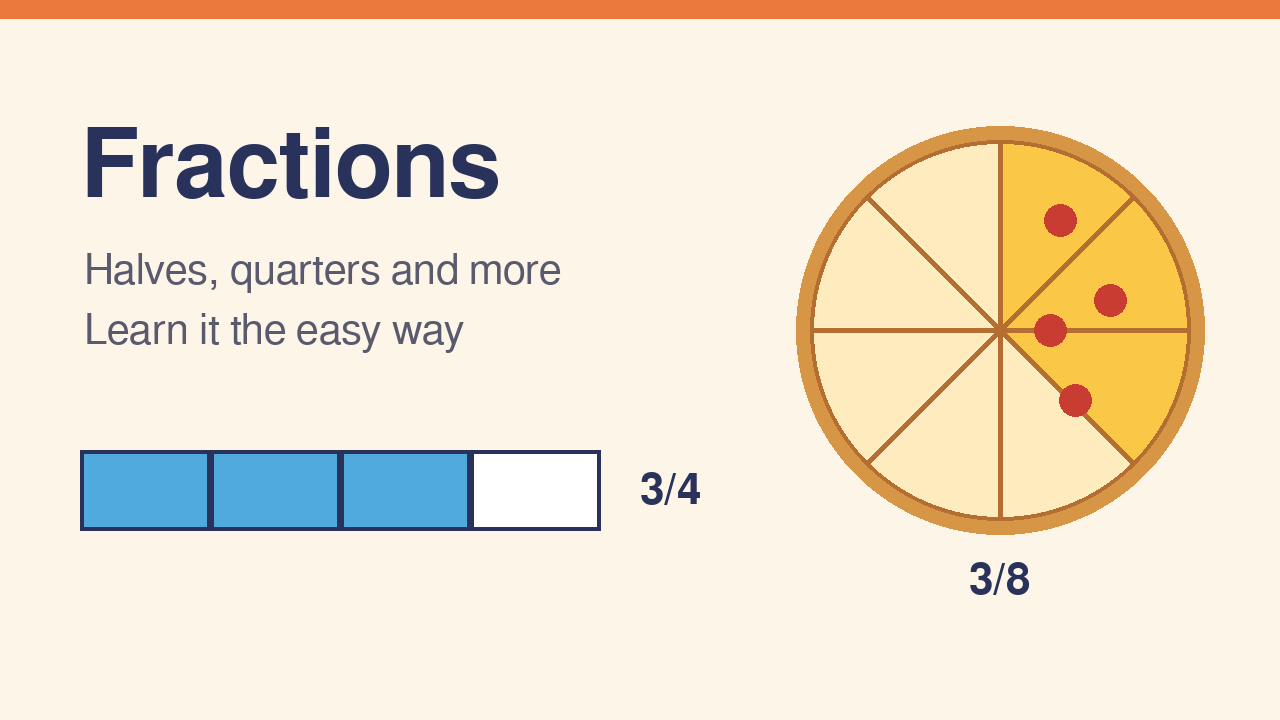
Fractions
In this course, students learn what a fraction is: a part of a whole, like a slice of pizza. They’ll learn what the numerator (top number) and denominator (bottom number) mean, recognize fractions from pictures, compare two fractions to find the bigger one, and add simple fractions. This course is for students in grades 3 to 5. They only need to know how to count and do basic division

Probability for Beginners
This course covers the fundamental mathematical principles, historical evolution, and rules of probability theory. Students will explore core concepts including numerical measures between 0 and 1, independent events, and complementary probability calculations.